How Spinal Fusion Implants Work in TLIF and PLIF Procedures?
What is TLIF?
TLIF stands for Transforaminal Lumbar Interbody Fusion, a surgical method that allows access to the spine through the side, thereby minimizing damage to muscles and tissues. TLIF is used to treat various spinal conditions, often involving implant stabilization of vertebrae.
What is PLIF?
PLIF, or Posterior Lumbar Interbody Fusion, is another surgical method where the spine is accessed from the back. This technique involves removing the intervertebral disc and inserting an implant to facilitate fusion. Both TLIF and PLIF aim to stabilize the spine and alleviate pain.
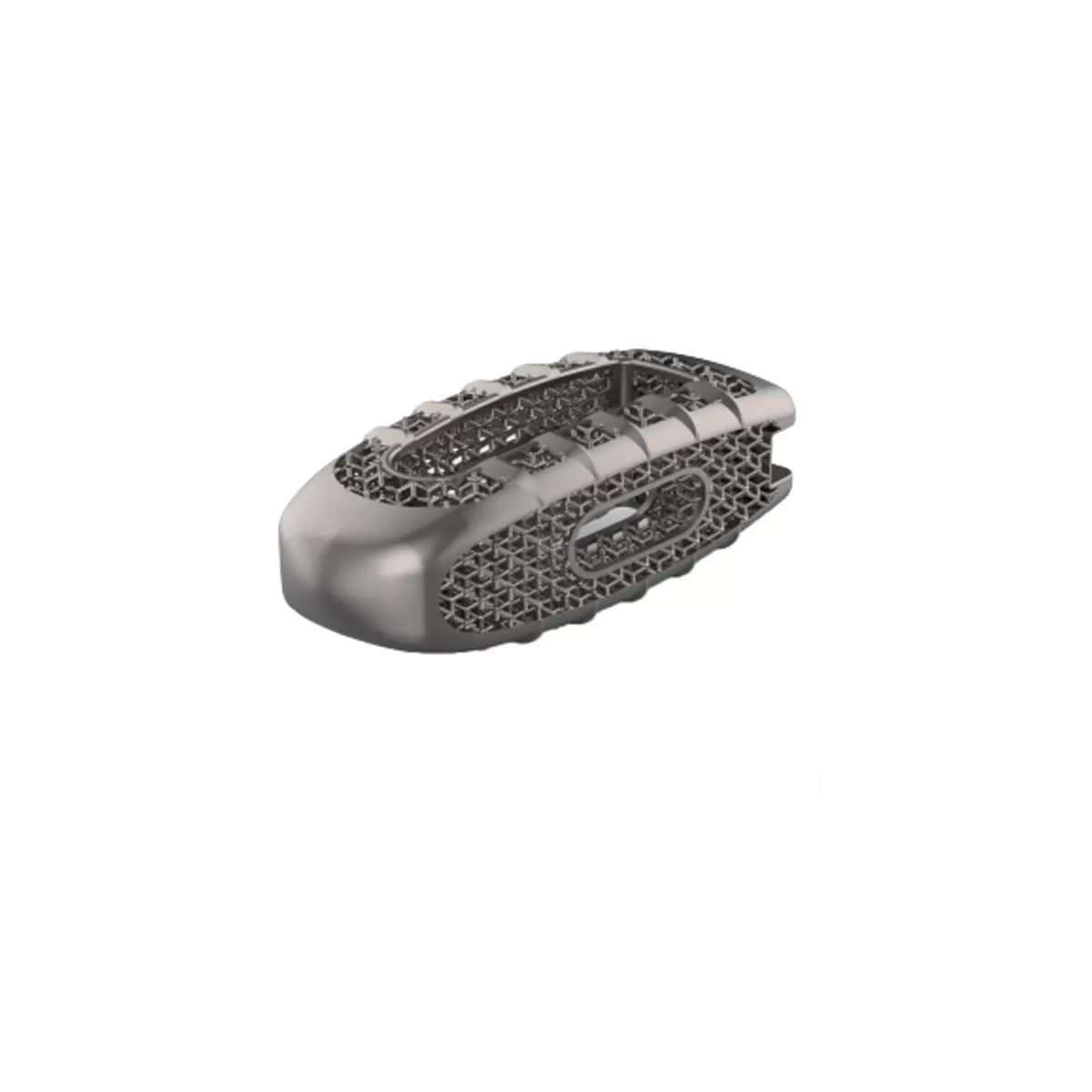
Step-by-Step Guide to Spinal Fusion Implant Procedures
1. Preoperative Assessment
A thorough assessment by a spine surgeon is crucial. This includes imaging studies such as X-rays, MRI, or CT scans to evaluate the spinal condition.
2. Anesthesia Administration
The patient is then administered anesthesia, ensuring comfort throughout the procedure. Sedation options vary depending on the complexity of the operation.
3. Surgical Site Preparation
The surgical area is cleaned and draped to maintain sterility. Monitoring equipment is set up to track the patient\'s vital signs during surgery.
4. Accessing the Spine
In TLIF, the surgeon approaches from the side while in PLIF, they operate from the back. This step involves careful incision and tissue manipulation to reach the spine.
5. Removal of Intervertebral Discs
Damaged or degenerated discs are removed to prepare the site for implant placement. It’s vital to clean the area thoroughly to promote successful fusion.
6. Implant Placement
Spinal Fusion Implants, provided by our company ATOM, are inserted into the prepared space. The choice of implant depends on the specific needs and anatomy of the patient.
7. Closure of the Incision
After implantation, the surgeon closes the incision layer by layer, ensuring proper healing. Suture materials may vary based on surgeon preference.
Required Tools and Materials
Surgical instruments (scalpels, retractors, forceps)
Anesthesia equipment
Imaging tools (X-ray machines, CT or MRI for navigation)
Spinal fusion implants from ATOM
Sterile drapes and surgical supplies
Common Mistakes to Avoid During Spinal Fusion Surgery
1. Inadequate Preoperative Planning
Failing to thoroughly evaluate the patient’s condition can lead to complications. Always conduct comprehensive imaging and assessments.
2. Poor Sterilization Protocols
Neglecting sterile procedures can result in infections. It is crucial that all instruments and the surgical environment are properly sterilized.
3. Incorrect Implant Sizing
Using improperly sized implants can cause instability or non-fusion. Surgeons must take accurate measurements and select appropriate sizes during the procedure.
4. Ignoring Post-Operative Care
Failure to adhere to post-operative care guidelines can hinder recovery. Patients should be monitored closely for signs of complications and educated on proper care.
Final Thoughts on Spinal Fusion Implants in TLIF and PLIF
Understanding how spinal fusion implants work in TLIF and PLIF procedures is critical for both patients and healthcare providers. Our company, ATOM, is committed to providing high-quality spinal implants to facilitate successful outcomes. With proper techniques and patient education, the likelihood of recovery and pain relief significantly increases.


评论
发表评论