Titanium vs. PEEK Spinal Fusion Implants: Which Is Better for Your Case?
Understanding Spinal Fusion Implants
What are Spinal Fusion Implants?
Spinal fusion implants are devices used to stabilize the spine after surgery. They promote bone healing and help provide support to the spine during recovery.
A Closer Look at Titanium Implants
Core Parameters of Titanium Implants
Material Composition: Titanium alloy
Weight: Lightweight and strong
Corrosion Resistance: High resistance to bodily fluids
Biocompatibility: Highly biocompatible with human tissue
Advantages and Disadvantages of Titanium Implants
Advantages:
Excellent strength-to-weight ratio
Proven track record in spinal surgeries
Good imaging visibility in scans
Disadvantages:
Potential for thermal irritation
Higher risk of bone resorption in some cases
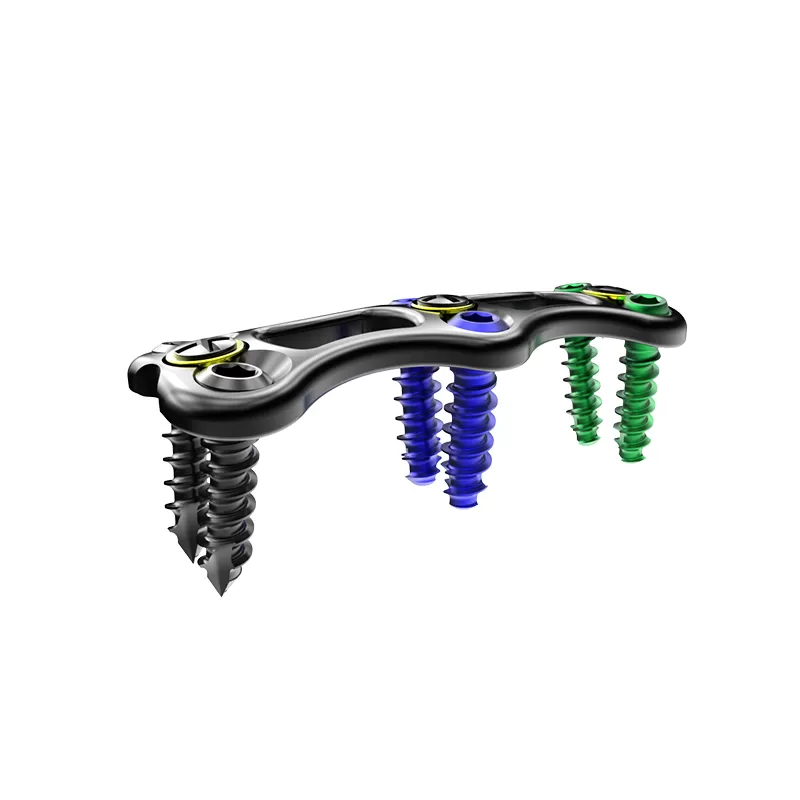
A Closer Look at PEEK Implants
Core Parameters of PEEK Implants
Material Composition: Polyether ether ketone
Weight: Lightweight and strong with flexible properties
Biocompatibility: Excellent biocompatibility with minimal rejection
Radiolucency: Transparent to X-rays, aiding imaging
Advantages and Disadvantages of PEEK Implants
Advantages:
Lower risk of thermal irritation
Less stress shielding on surrounding bones
Good flexibility, mimicking natural bone properties
Disadvantages:
Less proven long-term track record compared to titanium
Potentially higher costs due to manufacturing
Comparing Titanium and PEEK Implants
Core Parameter Comparison Table
| Parameter | Titanium | PEEK |
|---|---|---|
| Material Composition | Titanium alloy | Polyether ether ketone |
| Weight | Lightweight | Lightweight |
| Corrosion Resistance | High | Not applicable |
| Biocompatibility | High | Excellent |
| Radiolucency | No | Yes |
User Experience in Clinical Settings
Stability and Patient Outcomes
Clinical studies show that titanium implants offer robust stability for spinal fusions, while PEEK implants provide flexibility that mimics natural bone movement. Both solutions have been effective, but individual patient responses may vary.
Summary of Advantages and Disadvantages
Choosing the Right Implant for Your Case
Ultimately, the choice between titanium and PEEK implants will depend on individual patient needs, underlying conditions, and surgeon recommendations. Considering the material properties, long-term benefits, and potential risks is vital.
Who Should Consider Each Type of Implant?
Applicable Patient Groups
Patients with a history of allergies to metals may benefit more from PEEK implants. Conversely, those seeking time-tested solutions with confirmed efficacy may find titanium implants more suitable.
In conclusion, both titanium and PEEK spinal fusion implants offer unique benefits and challenges. Your choice should consider various factors, including your specific medical needs and the professional guidance provided by your healthcare team. ATOM is committed to providing advanced spinal fusion implant solutions tailored to meet patient requirements.


评论
发表评论