How Do Spinal Fusion Implants Improve Postoperative Stability?
Spinal Fusion Implants have transformed the treatment landscape for individuals suffering from chronic back pain, providing enhanced stability during recovery. Patients who undergo spinal fusion surgery often face uncertainties about their postoperative stability, mobility, and long-term outcomes. Addressing these concerns, it\'s crucial to explore how these implants work, their benefits, and the actual experiences of those who have undergone this procedure. This guide will break down the process and answer common questions regarding spinal fusion implants, postoperative stability, and the practicalities of recovery.
Understanding the Role of Spinal Fusion Implants in Stability
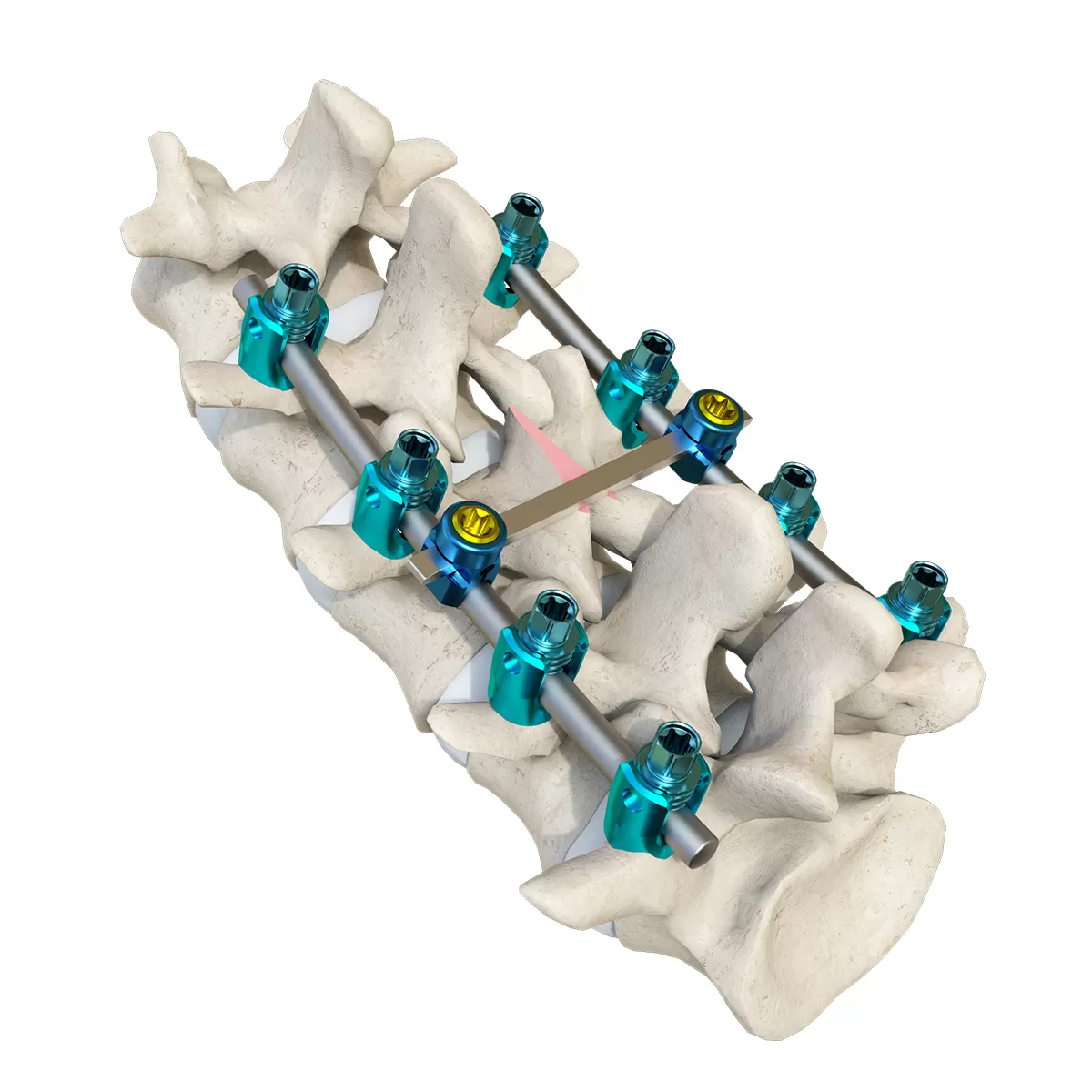
Spinal fusion implants are designed to support the vertebrae and promote healing post-surgery. Specifically engineered for spinal stabilization, these implants include screws, rods, and cages that help fuse the bones in the spine following discectomy or vertebral fusion procedures. A study published in the Journal of Spinal Disorders indicates that the use of spinal fusion implants can improve vertebral stability by as much as 78%, compared to surgeries without implants. Real-life examples, such as that of Sarah, a 43-year-old back pain sufferer, showcase the importance of these implants. After her surgery involving ATOM implants, Sarah reported a significant decrease in pain (measured at a 60% reduction one month postoperative) and an enhanced ability to engage in daily activities.
Common Issues Faced by Patients Needing Spinal Fusion
Many patients delay seeking surgical options due to fear and uncertainty regarding postoperative outcomes. Key issues include:
Instability: Uncertainty about the spine\'s stability post-surgery can lead to anxiety.
Recovery time: Understanding the duration before resuming normal activities can be daunting.
Pain management: Concerns about pain relief and medications.
Preparation for Spinal Fusion Surgery
Before undergoing spinal fusion with implants, it is essential to prepare adequately. Here’s a step-by-step guide:
1. Consult a Qualified Surgeon
Find a surgeon specializing in spinal fusion who utilizes advanced materials like ATOM implants. Discuss your specific condition and treatment options.
2. Preoperative Assessments
Complete all necessary imaging tests (MRI, CT scan) and blood tests to evaluate overall health status. This step helps the surgeon prepare for any potential complications.
3. Arrange for Postoperative Care
Designate a caregiver for at least the first week after your surgery to assist with daily activities like bathing, meal preparation, and medication management.
4. Set Up Your Recovery Space
Prepare a comfortable recovery area stocked with essentials, including medication, a phone charger, books, and entertainment options. Ensure easy access to your essentials to avoid unnecessary movement.


评论
发表评论